
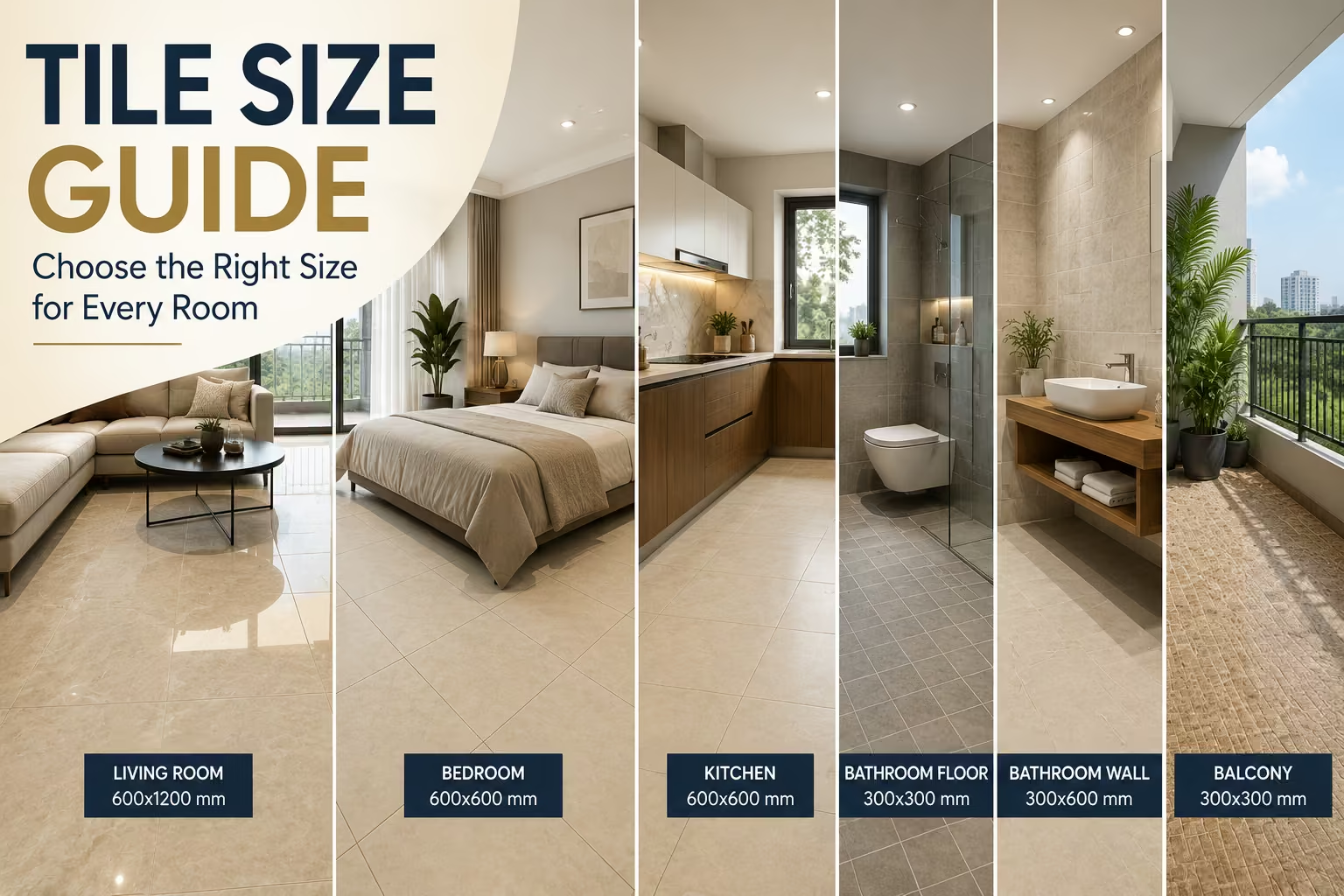
Tile size has a bigger impact than many homeowners realise. It affects how spacious a room feels, how many grout lines are visible, and even how easy the floor is to maintain.
Instead of choosing one tile size for the entire house, selecting the right size for each room creates a cleaner, more balanced finish.
Quick Tile Size Guide
Room | Recommended Size |
Living Room | 600×1200 mm |
Bedroom | 600×600 mm |
Kitchen | 600×600 mm |
Bathroom Floor | 300×300 mm |
Bathroom Wall | 300×600 mm |
Balcony | 300×300 mm |
Best Tile Size for the Living Room
Large-format 600×1200 mm vitrified tiles work exceptionally well in living rooms because they reduce visible grout lines and create a premium appearance.
If you’re exploring different living room floor tile options, choosing larger tiles can make open spaces feel even more spacious while keeping maintenance simple.
Best Tile Size for Bedrooms
Bedrooms usually benefit from 600×600 mm tiles because they create a balanced layout without making installation complicated.
Light beige, ivory and soft grey shades also help smaller bedrooms feel brighter.
Best Tile Size for Kitchens
Kitchen floors need practical, easy-to-clean tiles.
A 600×600 mm vitrified tile offers:
- Better stain resistance
- Easy maintenance
- Long-lasting durability
If you’re planning a kitchen renovation, pairing the floor with complementary kitchen wall tiles creates a more cohesive finish.
Best Tile Size for Bathrooms
Bathrooms require different tile sizes for floors and walls.
Area | Best Size |
Floor | 300×300 mm Anti-skid |
Wall | 300×600 mm |
Smaller anti-skid floor tiles improve grip, while larger wall tiles create a cleaner and more modern look.
If you’re still deciding on layouts, these bathroom tile design ideas can help you choose a combination that works for both style and safety.
Best Tile Size for Balconies and Outdoor Spaces
Outdoor areas face rain, dust and changing weather throughout the year.
Choosing outdoor anti-skid tiles with textured surfaces helps improve grip while maintaining a durable finish for balconies and terraces.
Large Tiles vs Small Tiles
Large Tiles | Small Tiles |
Fewer grout lines | More grout joints |
Modern appearance | Traditional look |
Spacious feel | Better for compact layouts |
Cleaner finish | More pattern flexibility |
Neither option is universally better the best choice depends on the room and how the space will be used.
Common Tile Size Mistakes to Avoid
Many homeowners make avoidable mistakes during tile selection.
Avoid:
- Using oversized tiles in narrow bathrooms.
- Mixing too many tile sizes across connected spaces.
- Ignoring grout colour during planning.
- Choosing glossy tiles for wet areas without considering slip resistance.
Planning your tile layout before installation often reduces unnecessary cuts and material waste.
Expert Tip
For 600×1200 mm tiles, choose a grout colour that closely matches the tile. This creates a seamless premium finish by making grout lines less noticeable.
Final Thoughts
Choosing the right tile size isn’t just about following trends, it’s about creating a home that feels balanced, spacious and practical.
Whether you’re selecting ceramic tiles, vitrified tiles, or outdoor anti-skid tiles, matching the tile size to each room helps deliver a better long-term result.
Frequently Asked Questions
Which tile size makes a room look bigger?
Large-format tiles like 600×1200 mm reduce visible grout lines, helping many rooms appear more spacious.
What is the best bathroom floor tile size?
300×300 mm anti-skid tiles provide better grip and are a practical choice for wet areas.
Can I use the same tile throughout my house?
Yes. Using the same flooring across connected spaces like the living and dining areas creates a more seamless appearance.
Are large tiles harder to install?
They require proper surface preparation and skilled installation, but they create a cleaner finish with fewer visible joints.
