
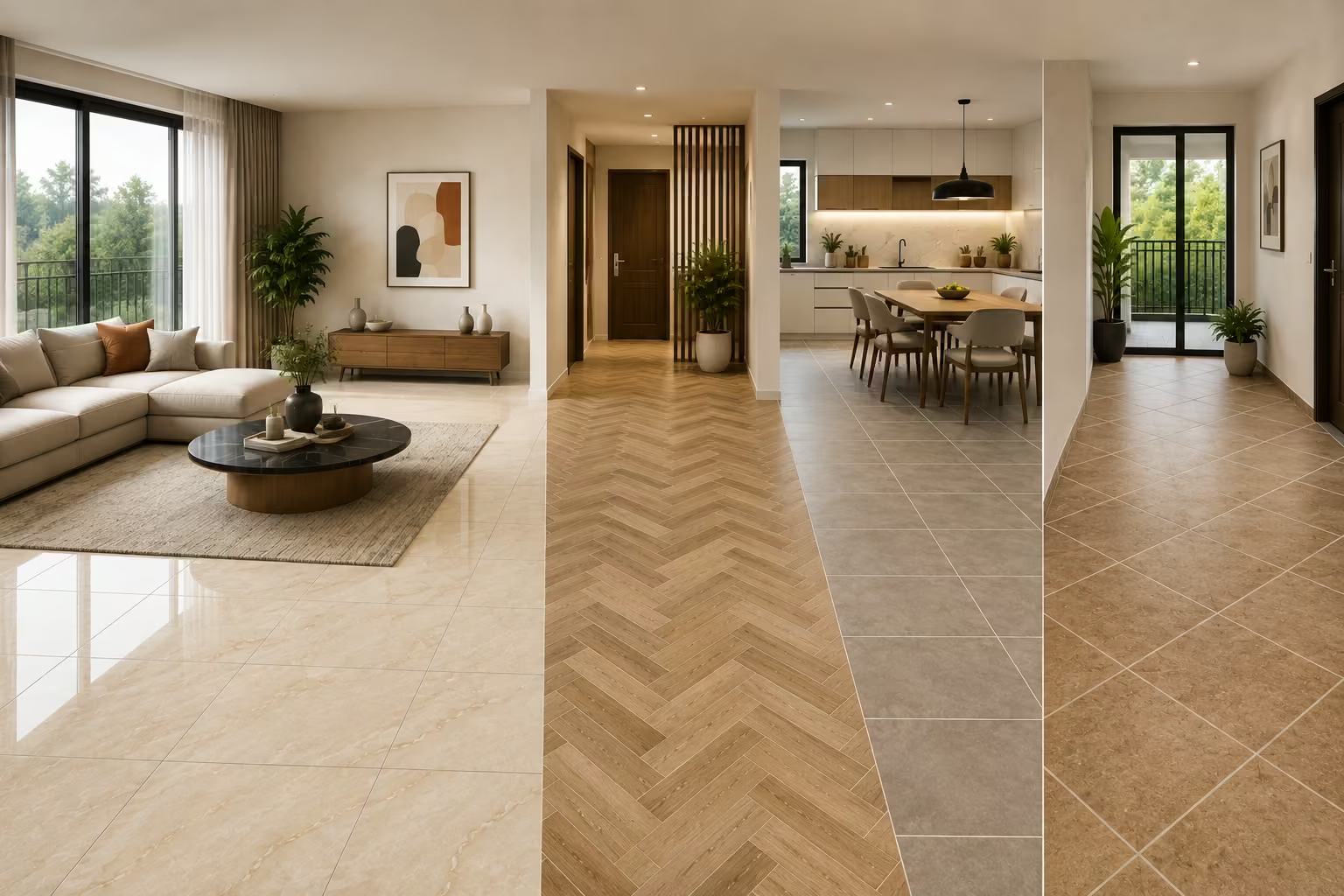
The way tiles are arranged can completely change how a room looks. Even if you choose premium vitrified tiles, the wrong layout pattern can make a space feel smaller, busier, or uneven. On the other hand, the right installation pattern can improve visual flow, reduce the appearance of grout lines, and give your home a more premium finish.
Whether you’re renovating an apartment or building a new home, understanding the best tile layout patterns will help you make a smarter decision before installation.
Why Tile Layout Matters
Tile layout isn’t just about decoration, it’s a design decision that affects how a room feels.
A well-planned layout can:
- Make compact rooms appear larger.
- Create a cleaner visual flow.
- Highlight premium tile finishes.
- Reduce awkward tile cuts near walls.
Before deciding on a layout pattern, it’s worth choosing the right tile size for each room, because the installation pattern works best when it’s matched to the tile dimensions.
Straight Lay Pattern: The Timeless Choice
The straight lay pattern places tiles in perfectly aligned horizontal and vertical lines.
Best For
- Living rooms
- Bedrooms
- Open-plan homes
This remains one of the most popular installation styles because it works exceptionally well with large-format tiles, creating a seamless and elegant finish with fewer visible grout joints.
Offset Pattern: A Softer Look
The offset, or brick pattern, shifts each row slightly to create a more relaxed appearance.
Best For
- Hallways
- Bedrooms
- Family living spaces
It adds subtle movement without becoming visually overwhelming, making it a practical option for everyday homes.
Herringbone Pattern: Premium Designer Style
Herringbone creates a sophisticated zigzag layout that instantly adds character.
Best For
- Entryways
- Feature areas
- Luxury interiors
Rectangular tiles work particularly well for this pattern, especially when paired with wood-look finishes.
Grid Pattern: Clean and Contemporary
Square tiles arranged in a perfect grid create a balanced, symmetrical appearance that’s easy to maintain.
This layout works especially well when paired with modern kitchen wall tiles, helping create a clean and organised finish.
Diagonal Pattern: Make Smaller Rooms Feel Bigger
Installing tiles diagonally changes how the eye follows the floor, making compact spaces feel wider.
Best For
- Small apartments
- Narrow rooms
- Compact living areas
If you’re already exploring best tiles for small homes, a diagonal layout can further enhance the feeling of space.
Which Pattern Works Best for Each Room?
Room | Recommended Pattern |
Living Room | Straight Lay |
Bedroom | Offset |
Kitchen | Grid |
Bathroom | Straight Lay |
Balcony | Grid |
If you’re comparing different living room floor tiles, the straight lay pattern remains one of the safest long-term choices because it complements both modern and classic interiors.
For wet areas, combining practical layouts with modern bathroom tile design ideas helps balance safety with aesthetics.
Common Tile Layout Mistakes to Avoid
Even premium tiles can lose their impact if the layout isn’t planned properly.
Avoid these mistakes:
- Starting installation without finding the room’s centre.
- Using too many different patterns across connected spaces.
- Ignoring grout planning before installation.
- Choosing decorative layouts where outdoor anti-skid tiles are the more practical solution.
Dry-laying a few tiles before installation often helps identify awkward cuts before work begins.
Expert Tip
Always mark the centre of the room before installation begins. This helps create balanced tile cuts along the edges and gives the finished floor a much more professional appearance.
Final Thoughts
The right tile layout pattern can completely change the final look of your home. Straight lay offers timeless elegance, herringbone adds designer appeal, and diagonal layouts help smaller rooms feel more spacious.
When the tile size, grout colour, and installation pattern work together, the finished result feels cleaner, more balanced, and more premium.
Frequently Asked Questions
Which tile layout makes a room look bigger?
A straight lay with large-format tiles or a diagonal layout can make many rooms feel more spacious.
Is herringbone more expensive to install?
Yes. Herringbone usually requires more cutting and labour than a straight lay pattern.
Which tile layout is easiest to maintain?
Straight lay patterns are generally the easiest because they create a simple, uniform layout.
Can I use different tile patterns in different rooms?
Yes, but keeping connected spaces consistent usually creates a cleaner and more premium appearance.
